Bill Watts, Former Mid-South Wrestling Promoter and WCW Booker, Dies at 87
Cowboy Bill Watts, who promoted Mid-South Wrestling and booked WCW in the early 1990s, has died at 87, according to PWTorch, which also revisits his past racist and anti-gay remarks.
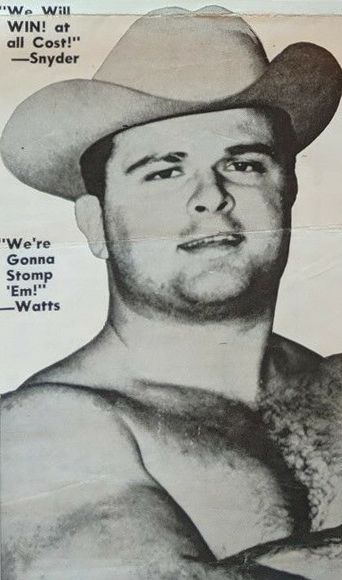
Wrestling promoter and former WCW booker 'Cowboy' Bill Watts has died at the age of 87, according to a report from PWTorch. The site said Bill Apter announced the news on YouTube after being notified by Watts' son, Erik.
Mid-South legacy
Watts was best known for promoting Mid-South Wrestling, where Ted DiBiase, Junkyard Dog, The Freebirds and Jim Duggan were among the bigger names during his time in charge. He also wrestled in the 1960s and 1970s, including a stretch as a heel challenger to Bruno Sammartino.
WCW tenure
Watts served as booker for WCW in the early 1990s. PWTorch described him as difficult to work for, pointing to rules such as banning top-rope moves, which he reportedly viewed as a cheating heel tactic rather than a babyface highspot. He also lost support in the locker room and among hardcore fans over cost-cutting measures and a strict approach to backstage discipline.
His WCW run ended in part because of comments he made in an interview with Wade Keller for a PWTorch Annual book, conducted a year before he was hired. In that interview, Watts made racist and anti-gay remarks while discussing his libertarian views on business regulation. According to PWTorch, Hank Aaron, then a TBS executive, said he did not know who Watts was when asked for comment by writer Mark Madden, but after reading the remarks, Watts was asked to resign and did so.
Watts' later account
PWTorch reports that Watts later said in his 2006 autobiography that the 'race card' became an excuse to fire him, and that he had already issued his resignation before being confronted about the interview. He also defended himself by pointing to his promotion of Black wrestlers into main events and his friendship with Ernie Ladd. PWTorch noted that the book did not express regret for the comments, and instead Watts argued that people should be able to say what they think.